Parental Involvement: High

  • Read a Book Together

    Reading a book together is one of the simplest—and most powerful—ways to connect with your child. Whether you’re revisiting an old favorite or discovering a new adventure, shared reading helps develop vocabulary, listening skills, empathy, and imagination.

    You can take turns reading aloud, use character voices, or pause to ask questions and spark conversation. Even older kids enjoy a good read-aloud, especially when paired with a cozy blanket and a quiet moment. It’s a calming, screen-free ritual that brings comfort and joy to kids of all ages.


    Materials Needed

    • A book (picture book, early reader, or chapter book based on age)


    Tools Needed

    • None


    Steps

    1. Choose a Book: Let your child pick or surprise them with a favorite.

    2. Get Comfy: Snuggle up somewhere cozy—on the couch, bed, or a blanket fort.

    3. Read Together: Read aloud with expression, or take turns if your child is reading too.

    4. Talk About It: Ask questions, share predictions, or talk about favorite characters.

    5. Repeat Often: Make shared reading a special part of your daily or weekly routine.
  • Hide and Seek

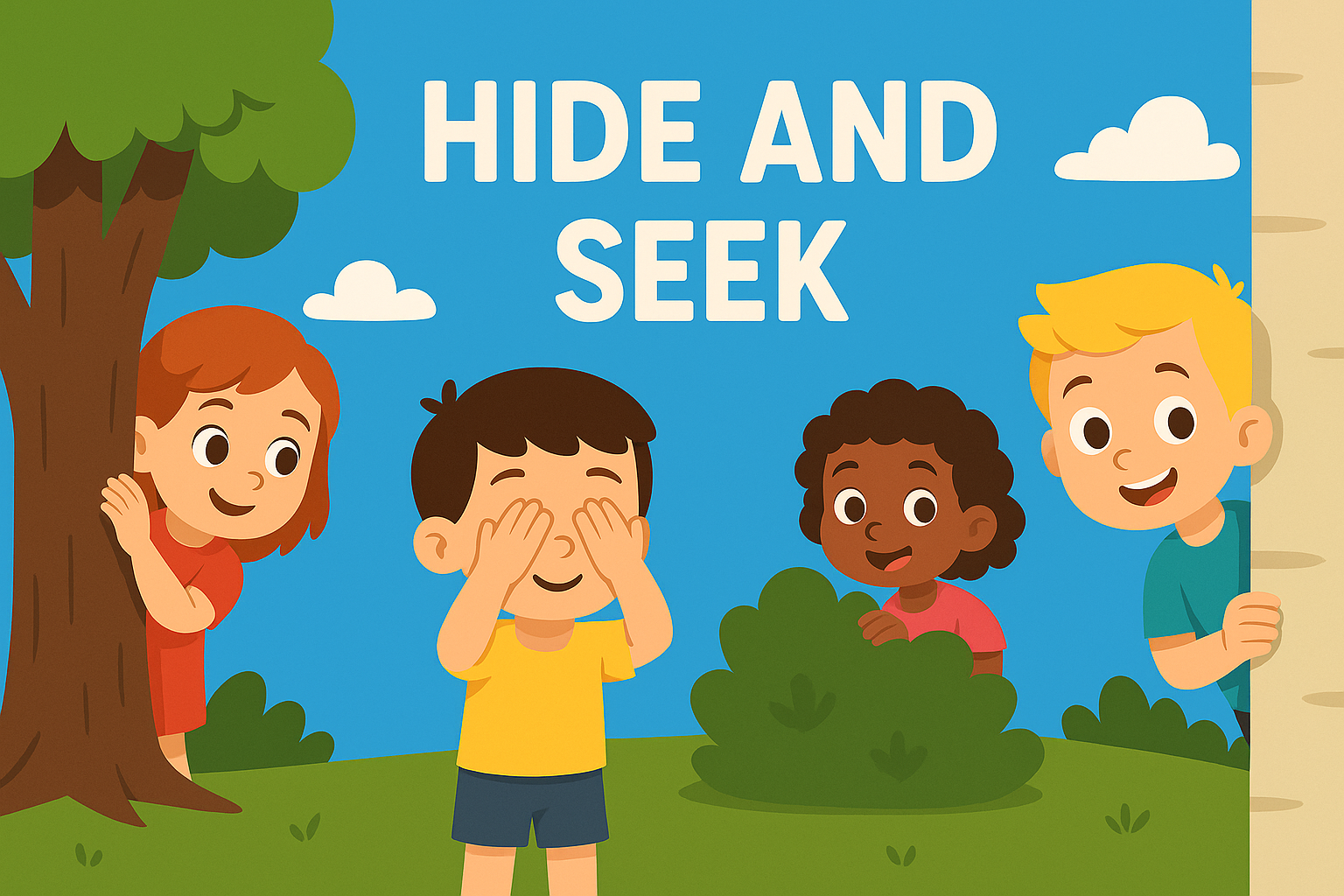
    Hide and Seek

    Sometimes, the best games are the ones that have been around forever. Hide and Seek is a beloved classic that combines movement, suspense, and creativity. Whether played with two people or a whole group, this simple game is a great way to encourage kids to be active, take turns, and even practice a little strategic thinking.

    It can be adapted for small indoor spaces or taken outdoors for bigger adventures. Plus, kids of all ages can join in the fun—no special materials or setup required. Just count, hide, seek, and repeat!

    Materials Needed

    • None!

    Tools Needed

    • None!

    Steps

    1. Choose a Seeker: Pick one player to close their eyes and count aloud (e.g., to 20 or 30).

    2. Everyone Hides: While the seeker counts, the other players hide quietly.

    3. Start the Search: Once done counting, the seeker calls “Ready or not, here I come!” and begins searching.

    4. Find the Hiders: The game ends when all players are found.

    5. Switch Roles: The first person found becomes the next seeker—or create your own house rules.

  • Indoor Treasure Hunt

    Follow the Clues to Find the Prize!

    Looking for a thrilling indoor activity that keeps kids moving and thinking? A homemade treasure hunt is the perfect blend of problem-solving, reading comprehension, and active fun. All you need is a hidden prize and a little creativity to craft a series of clues that lead from one spot to the next.

    The hunt can be as simple or elaborate as you like—tailor it to your child’s age and interests. You can write riddles, draw maps, or even include mini challenges to unlock the next clue. The best part? Watching their faces light up when they reach the final destination and discover their reward!

    Materials Needed

    • A small prize (toy, treat, or handmade certificate)

    • Paper and pen or printed cards for clues

    • Tape or sticky tack (to hold clues in place)

    • Optional: themed decorations, treasure box, or pirate map

    Tools Needed

    • None (just your imagination!)

    Steps

    1. Choose a Prize & Hiding Spot: Pick a fun reward and hide it somewhere clever but accessible.

    2. Write the Clues: Create 5–10 clues that lead from one place in the house to the next. Clues can be rhyming, riddles, or simple directions (e.g., “I’m where your shoes take a rest” = closet).

    3. Hide the Clues: Place each clue in its corresponding location, with the first one handed to the child to start the hunt.

    4. Start the Adventure: Hand over the first clue and let the search begin!

    5. Celebrate the Find: Once they reach the final clue and find the prize, celebrate with applause and maybe even a victory dance!

  • Put on a Play: Create, Rehearse & Perform!

    Bring the magic of theatre home by helping your child put on their very own play!

    Whether they’re an aspiring playwright, actor, or costume designer, this activity has something for everyone. Your child can write a simple script, assign roles to friends or family, dress up in homemade costumes, and rehearse scenes before the big performance.

    This imaginative activity not only sparks creativity but also builds confidence and collaboration skills. It’s a great way to spend a rainy afternoon or spice up a weekend indoors.

    Materials Needed

    • Paper and pencils for script writing

    • Costumes (dress-up clothes, old scarves, hats, etc.)

    • Props (can be crafted from household items)

    • Space for rehearsing and performing (living room, backyard, etc.)

    • Optional: homemade stage curtains (blanket + chairs), tickets, and programs

    Steps

    1. Brainstorm a Story: Encourage your child to come up with a simple plot—think fairy tales, space adventures, or mysteries.

    2. Write the Script: Help them write a few lines for each character, keeping it simple and fun.

    3. Choose the Cast: Assign roles to siblings, friends, or even stuffed animals.

    4. Design Costumes & Props: Raid the dress-up bin or craft your own props.

    5. Rehearse: Practice the lines, stage directions, and timing.

    6. Set the Stage: Clear a performance area, set up makeshift curtains, and arrange chairs for the audience.

    7. Perform!: Invite family members to watch the show. Don’t forget to cheer and clap!

    8. Optional: Record the performance and play it back for a post-show laugh.

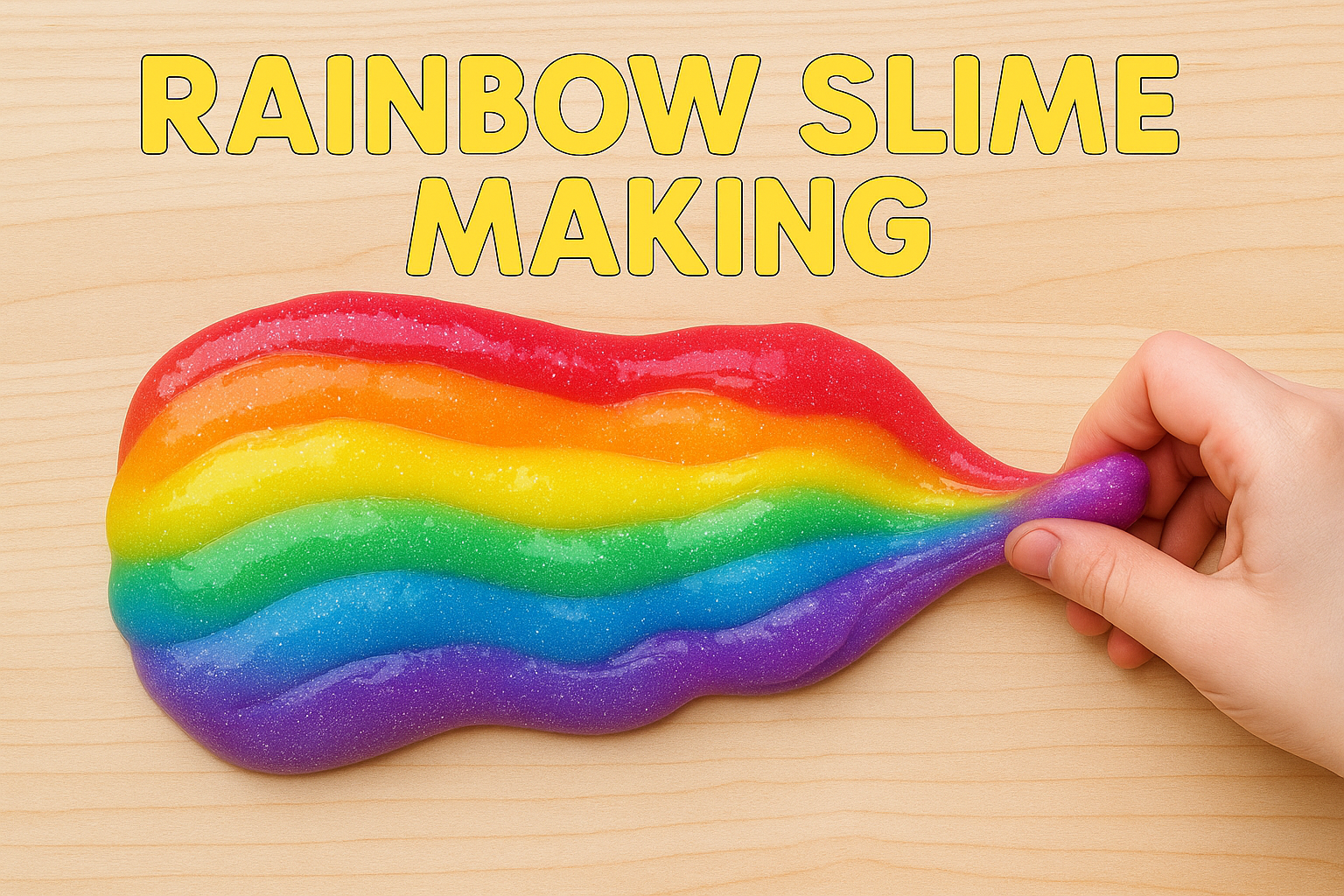
  • Rainbow Slime Making

    Rainbow Slime Making

    Materials Needed:

    • White glue
    • Borax solution
    • Food coloring
    • Mixing bowls
    • Measuring cups
    • Storage containers

    Instructions:

    1. Mix 1/2 cup white glue with 1/2 cup water
    2. Add food coloring to create desired colors
    3. In a separate bowl, mix 1/2 cup warm water with 1/2 teaspoon borax
    4. Slowly combine the solutions while stirring
    5. Knead the slime until it reaches the desired consistency

    Safety Note:

    Adult supervision required. Keep away from eyes and mouth. Wash hands after playing.

  • Bake Cookies

    Ready for some hands-on fun with a sweet reward at the end? Baking cookies is a classic bonding activity that teaches kids important life skills while letting them get creative (and maybe a little messy). From measuring ingredients to mixing dough and shaping cookies, there are plenty of ways for children to participate and learn.

    This activity builds math and sequencing skills, introduces basic kitchen safety, and—best of all—ends with a batch of warm, delicious cookies. Try classic chocolate chip, sugar cookies with sprinkles, or even a no-bake version for younger kids. Bonus: your home will smell amazing!

    Materials Needed

    • Ingredients (flour, sugar, butter, eggs, etc. depending on recipe)

    • Baking sheet

    • Mixing bowl

    • Measuring cups and spoons

    • Spoon or mixer

    • Oven (or no-bake alternative)

    Tools Needed

    • Oven (or fridge for no-bake recipes)

    • Optional: cookie cutters, icing, and sprinkles

    Steps

    1. Choose a Recipe: Pick a kid-friendly cookie recipe (drop cookies or sugar cutouts are great choices).

    2. Gather Ingredients: Have kids help with measuring and pouring ingredients into a bowl.

    3. Mix and Scoop: Stir the dough and scoop it onto a baking tray.

    4. Bake (with adult supervision): Place the tray in the oven and set a timer.

    5. Cool & Decorate: Once baked, let cookies cool and add optional icing or decorations.

    6. Enjoy & Share: Serve up the cookies or wrap some as a gift for friends or neighbors.

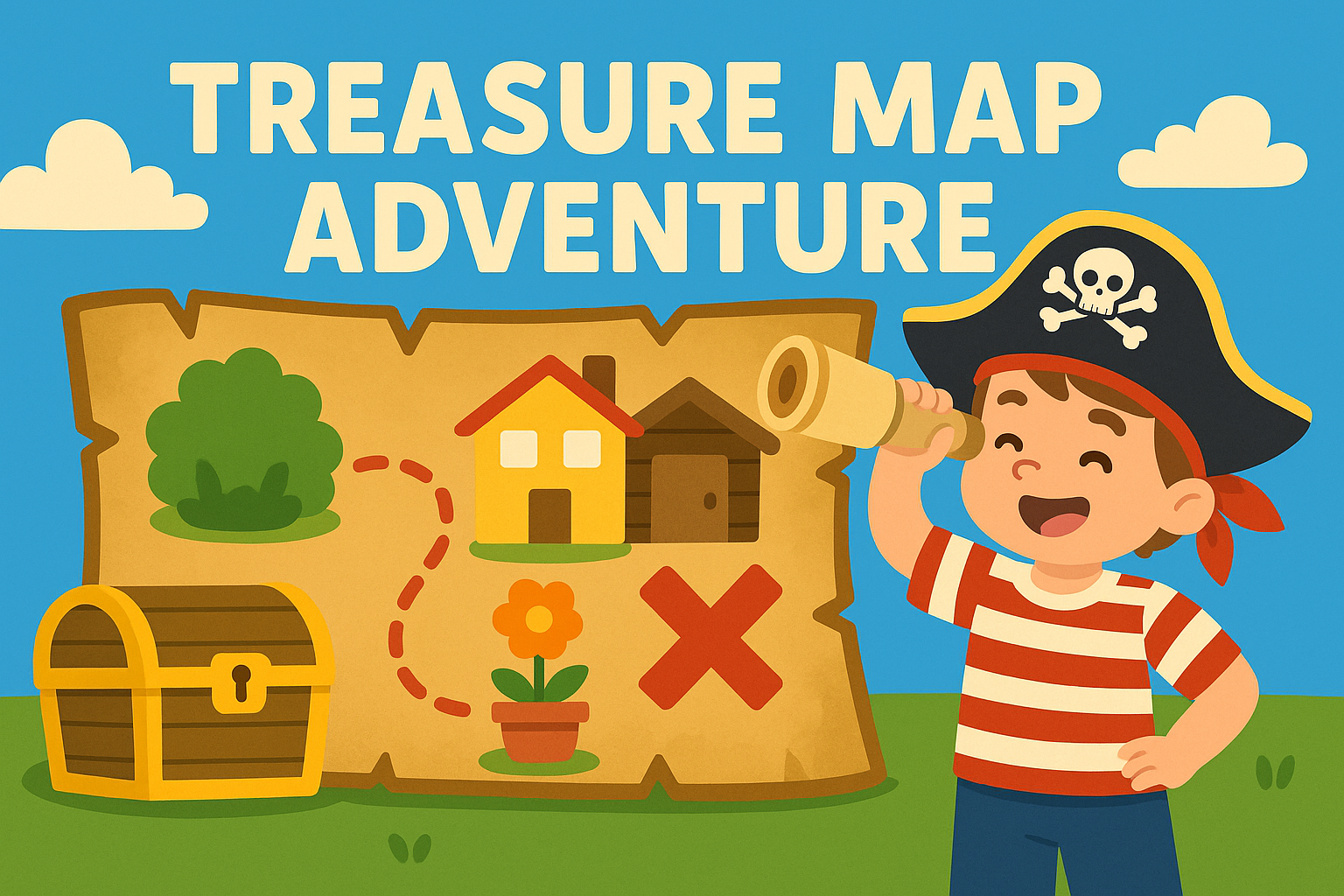
  • Treasure Map Adventure

    Treasure Map Adventure

    Ahoy, matey! If your child loves pirates, explorers, or storytelling, a Treasure Map Adventure is the perfect activity to spark imagination and movement. Together, you’ll create a treasure map filled with clues, twists, and landmarks—then follow it to find hidden treasure!

    Whether indoors or out, this activity lets kids design their own world full of “X marks the spot” mysteries. It’s also a great opportunity to practice drawing, following directions, and storytelling. The prize doesn’t have to be fancy—just the thrill of the journey makes it special.

    Materials Needed:

    • Paper (brown paper bags work great)
    • Markers or crayons
    • Small treasures to hide
    • Compass (optional)
    • Tea bags for aging the paper (optional)

    Steps:

    1. Make the Map: Help your child draw a map of the play area (yard, house, park), marking key “landmarks” like the Big Chair Mountain, Slide Falls, or Couch Cove.

    2. Hide the Treasure: Choose a secret spot and hide the prize there.

    3. Add Clues: Either draw a direct route with landmarks or number steps with simple directions (e.g., “Take 5 steps from the bookshelf, turn left at the rug”).

    4. Age the Paper (Optional): Crumple the map, tear the edges, or rub with a tea bag for an old-timey pirate feel.

    5. Begin the Quest: Hand the map to your adventurer and let the hunt begin!

    6. Celebrate the Find: When they uncover the treasure, cheer them on—and maybe plan the next expedition.

  • Mini Scientists: Color Mixing Magic

    Materials Needed:

    • Food coloring (primary colors)
    • Clear cups or jars
    • Water
    • Eye droppers
    • White paper for recording

    Instructions:

    1. Fill cups halfway with water
    2. Add different food colorings to separate cups
    3. Use droppers to mix colors in empty cups
    4. Record your observations
    5. Predict and test new combinations