Parental Involvement: Medium

  • Imaginary Store

    Imaginary Store


    Playing shop is a classic childhood activity that’s packed with learning opportunities. By setting up an imaginary store at home, children can practise counting, communication, and turn-taking—all while having heaps of fun with their toys and imagination.

    Whether you’re running a fruit stall, toy shop, bookshop or café, this type of role-play encourages creativity, independence, and early maths and literacy skills in a playful setting.


    Materials Needed

    • Toys, books, clothes, or pretend groceries to “sell”
    • Play money, real coins, or homemade paper money
    • Shopping bag or basket
    • Optional: till or calculator, signs, price tags

    Tools Needed

    • Paper and pens (for signs or receipts)
    • Optional: table or boxes to display items

    Steps

    1. Choose a Theme
      Decide what kind of shop to run—groceries, toys, books, or a mini café.
    2. Set Up the Store
      Lay out your items, add price tags, and label sections using signs.
    3. Assign Roles
      One person can be the shopkeeper, another the customer. Take turns at the till!
    4. Start Shopping
      Use money to “buy” items, practise asking for help, and talk through the shopping experience.
    5. Mix It Up
      Swap roles, rearrange the shop, or change to a different kind of business next time!

    Variations

    Maths Focus: Add prices and challenge older children to total up purchases and give change.

    Restaurant or Café: Take food orders, write a menu, and serve pretend meals.

    Bookshop: Recommend and “sell” books to family members.

    Market Stall: Set up outdoors with fruit, veg, or toys on a picnic blanket.

  • Play Doctor

    Play Doctor

    Playing doctor is a nurturing and imaginative activity that helps children explore ideas of care, health, and empathy.

    With a few basic props or a toy medical kit, they can create their own clinic to examine and treat patients—real or pretend!

    This kind of role-play builds confidence, communication skills, and emotional awareness, especially helpful for children who may feel anxious about real doctor visits. It’s also a great way to introduce vocabulary around the body, feelings, and kindness.


    Materials Needed

    • Soft toys or dolls (as patients)
    • Blankets or towels (for “hospital beds”)
    • Plasters, bandages, or tissue
    • Paper and pens for writing notes or prescriptions

    Tools Needed

    • Toy medical kit (or improvised tools like spoon as thermometer, string as stethoscope)

    Steps

    1. Set Up the Surgery
      Use a table, bed, or floor area to create your play clinic or hospital ward.
    2. Assign Roles
      One child can be the doctor or nurse, and others can be patients or assistants. Adults can play too, I recommend being the patient and having a nice lie down!
    3. Check the Patients
      Use pretend tools to examine heartbeats, temperatures, sore tummies, or broken arms.
    4. Write Prescriptions
      Make notes or draw pictures of medicine and care instructions.
    5. Swap Roles
      Let everyone have a go being both the carer and the cared-for!

    Variations

    • Animal Vet: Turn the clinic into a vet surgery and care for stuffed animals.
    • Health Check Station: Create separate check-up zones for eyesight, height, or reflexes.
    • Make ID Badges: Design doctor/nurse name tags with drawings and titles.
    • Waiting Room: Set up books and chairs for patients waiting to be seen.
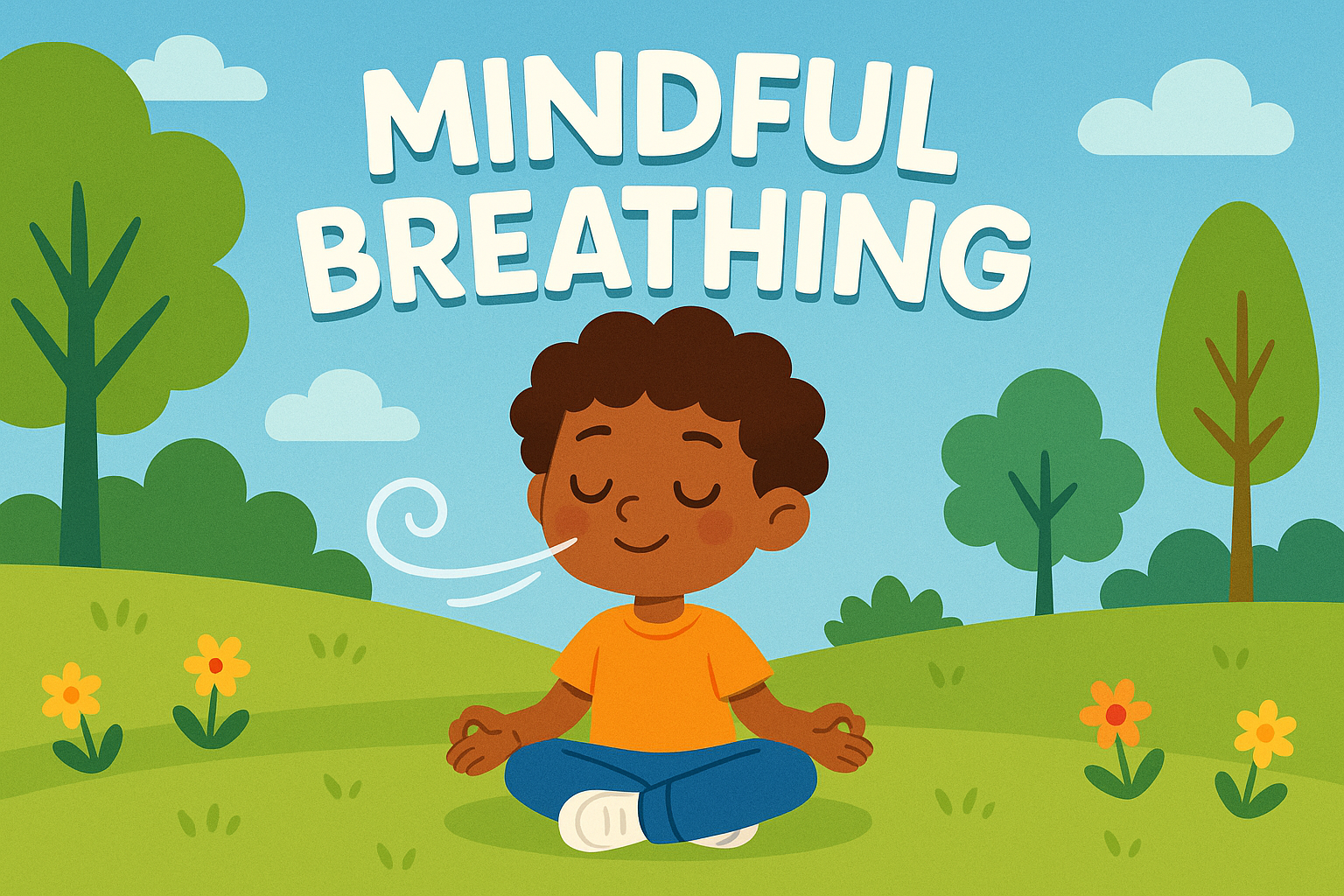
  • Mindful Breathing

    Mindful Breathing

    Mindful breathing is a calming activity that helps children focus, feel grounded, and regulate their emotions. It’s especially helpful when kids are feeling anxious, overstimulated, or need a quiet moment to reset.

    By turning attention to their breath, children begin to notice how their bodies feel, learn to manage stress, and develop a lifelong tool for wellbeing. This activity is ideal for transitions, bedtime routines, or quiet time at home or school.


    Materials Needed

    • None (optional: soft cushion, yoga mat, or calming music)

    Tools Needed

    • None

    Steps

    1. Find a Comfortable Spot
      Have your child sit or lie down somewhere quiet and comfortable.
    2. Guide the Breath
      Encourage slow, deep breathing. Inhale through the nose for 3–4 counts, then exhale slowly through the mouth.
    3. Use Visuals or Prompts
      Try saying “Smell the flower… now blow out the candle” as a playful breathing guide.
    4. Repeat Gently
      Repeat the breathing cycle 5–10 times or for as long as feels calming.
    5. Reflect Quietly
      End with a moment of silence or ask how their body feels now.

    Variations

    • Stuffed Animal Breathing: Place a cuddly toy on their tummy and watch it rise and fall with the breath.
    • Finger Tracing: Have children slowly trace the outline of their hand with a finger, breathing in on the way up and out on the way down.
    • Breathing Cards: Create small cards with breathing prompts or images to guide practice.
    • Nature Breathing: Sit under a tree or in the garden and sync breath with the breeze or bird sounds.